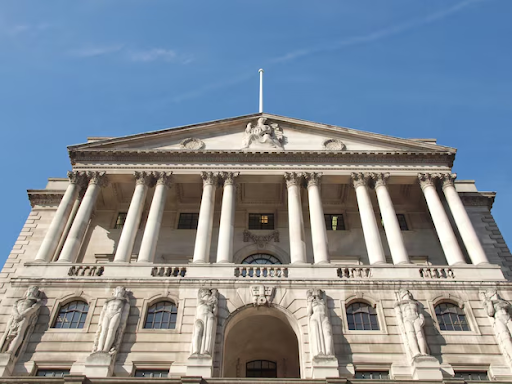
The Bank of England has held interest rates at 3.75%, with committee members providing detailed explanations for their individual votes in the meeting minutes. These rationales reveal the complex considerations behind the 5-4 split decision.
The monetary policy committee’s voting breakdown showed four members supporting an immediate cut—Dave Ramsden, Sarah Breeden, Alan Taylor, and Swati Dhingra—while five voted to maintain rates. Each policymaker set out their reasoning in the meeting minutes, offering insight into the diverse perspectives shaping UK monetary policy. This transparency comes after six rate cuts since mid-2024.
Alan Taylor, voting for a cut, suggested that a 3% base rate should be “in our sights now,” pointing to continued downward drift in the Bank’s growth and inflation forecasts. By contrast, Megan Greene, voting to hold, expressed concerns about high consumer inflation expectations and strong wage growth, warning that cutting rates as markets expect could constitute a “policy error.”
Governor Andrew Bailey, who voted to maintain rates, emphasized the improving inflation outlook. He projected inflation would fall to around 2% by spring and suggested that while current settings are appropriate, further cuts should be possible later in the year. When asked about March, he endorsed the market’s 50-50 probability assessment for a rate cut.
The economic backdrop shows GDP growth forecast at just 0.9% this year, down from 1.2% previously, with unemployment expected to reach 5.3%. Chancellor Rachel Reeves’s budget measures, including utility bill cuts and rail fare freezes from April, are projected to drive inflation down to 2.1% by mid-2026, compared to 3.4% in December. This dramatic improvement underlies the debate among committee members about the appropriate pace of monetary easing.