
Colombia’s inflation rate has climbed to 6.29% in September 2026, marking a rise from 6.24% in August and underscoring the continued strain on the cost of living. This increase brings inflation to its highest level since July 2024, with consumer prices rising by 5.74% in the first nine months of 2026 compared to 4.55% during the same period last year.
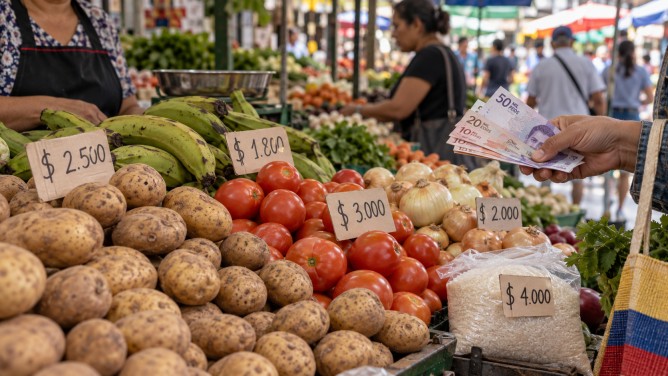
One of the primary contributors to this inflationary pressure remains the escalating food prices, which saw a 0.78% increase in September alone, and are now 6.74% higher than a year earlier. Potatoes, in particular, have experienced a dramatic surge, with prices skyrocketing by 78% over the past 12 months. These increases are largely influenced by adverse weather conditions and the seasonal nature of agricultural cycles.
In addition to food, education costs have also seen significant hikes, with a 1.43% rise in September, marking the largest monthly increase among various consumer categories. Despite these pressures, there is a slight moderation in inflation excluding food and regulated prices, which decreased from 6.27% to 6.18%, breaking a six-month streak of increases.
In response to these inflationary trends, Colombia’s central bank has raised its benchmark interest rate to 12.25% as part of efforts to control the broader spread of price pressures beyond just food and utility costs. However, there is debate among policymakers regarding the effectiveness of higher interest rates in countering inflation driven by essential sectors like food, housing, and utilities.
Economists are cautious about the inflation outlook, anticipating that food prices will remain a significant source of inflationary pressure through the end of the year. Projections for inflation have been adjusted upward, reflecting the persistent rise in food costs. As a result, Colombia’s inflation rate is expected to remain above the central bank’s target as the year concludes.
The latest inflation figures are likely to influence discussions about Colombia’s minimum wage for 2027, with the rising cost of living becoming a critical factor in negotiations between workers, employers, and the government. Policymakers are expected to closely monitor these developments alongside weather conditions and overall price pressures to guide future decisions on interest rates.