
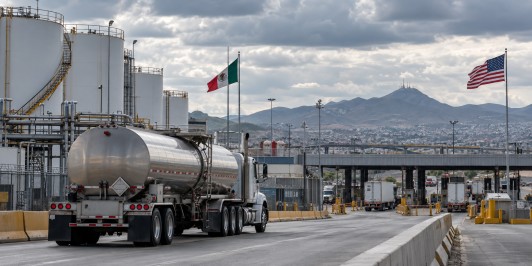
As global energy markets face instability due to ongoing conflicts in regions such as the Middle East and Ukraine, Mexico is confronting potential challenges in its diesel supply. The situation has been exacerbated by U.S. President Donald Trump’s recent support for a proposal to limit or prohibit diesel exports from the United States, a measure that could have significant repercussions for Mexico’s energy needs.
Mexico’s dependency on U.S. diesel imports is notable, as the country sources over 40% of its diesel requirements from its northern neighbor. In June 2026 alone, Mexico imported approximately 288,000 barrels of diesel per day from the U.S., according to data from U.S. energy agencies. Any disruption in this supply chain might compel Mexico to turn to more distant markets, potentially increasing costs and impacting the broader economy.
Diesel is integral to several key sectors in Mexico, including transportation, agriculture, and mining. The potential supply shortfall comes amid rising diesel prices in the U.S., driven by disruptions in global energy supplies. Mexican President Claudia Sheinbaum has responded by assuring the public that domestic production remains sufficient, with the country leveraging output from its refinery network, notably the Dos Bocas refinery in Tabasco.
To mitigate the impact of international energy price hikes, the Mexican government continues to support diesel prices through subsidies and a voluntary agreement with fuel retailers. Tax measures and additional governmental aid are being utilized to cushion the effect on consumers and industries.
Energy experts have recommended that Mexico take proactive steps to diversify its sources of diesel, enhance domestic refining capacity, and bolster fuel storage infrastructure. By doing so, Mexico could reduce its reliance on U.S. imports and better insulate itself from potential disruptions in the diesel supply chain.