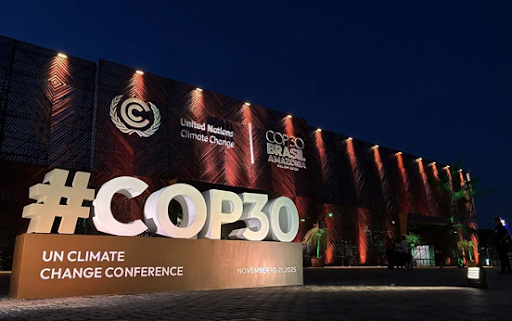
COP30, recently held in Brazil, underscored that the global climate fight is far from over. While the necessary strategies to combat climate change are well established, the real challenge remains implementation. Wars, economic instability, and competing national interests make turning commitments into measurable progress a complex task.
Despite political disruptions, 190 countries remained engaged, demonstrating that climate action is now a critical component of global policy. Progress in clean energy continues, with renewable adoption set to double by 2030, and $6 billion pledged for nature-based solutions such as forest and ocean conservation. However, phasing out fossil fuels remains stalled due to economic and equity concerns, and adaptation funding for vulnerable communities is progressing too slowly.
India emerged as a prominent voice, leveraging its renewable energy achievements to push for stronger financing and accountability from developed nations. COP30 also highlighted the growing intersection of climate and trade, with carbon tariffs and access to critical minerals increasingly influencing international negotiations. The private sector’s involvement was noted as essential for designing, implementing, and scaling climate solutions.
Overall, COP30 reinforced that while headline targets may be modest, sustained global engagement, innovation in renewables, and recognition of natural solutions are crucial. The summit demonstrated that climate action is a long-term effort requiring collaboration across governments, businesses, and civil society to ensure effective and equitable progress.