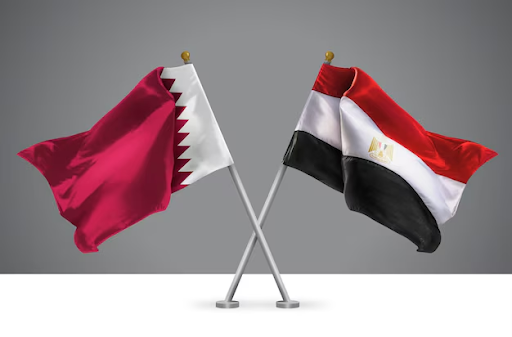
The unified front presented by Qatar, Egypt, and Turkey at the Doha Forum may mask growing strains among mediators as implementation challenges reveal different priorities and approaches. While publicly coordinated, the three guarantors face competing pressures from their own populations, regional allies, and the conflict parties themselves.
Qatar’s regional positioning as bridge between Western interests and Middle Eastern actors creates different constraints than Egypt’s direct border with Gaza and Palestinian refugee concerns. Turkey’s NATO membership while maintaining relationships with Hamas produces yet another distinct set of pressures. These varying contexts could translate into different implementation priorities despite coordination efforts.
The guarantor role requires mediators to balance facilitation with pressure, remaining acceptable to both parties while pushing them toward compliance. This balance proves increasingly difficult as violations mount and parties dig into incompatible positions. Excessive pressure risks losing access and influence; insufficient pressure risks enabling continued non-compliance.
Mediator effectiveness depends partly on maintaining united front preventing parties from playing guarantors against each other. However, unity requirements may prevent individual mediators from adopting approaches best suited to their particular relationships and leverage. The tension between coordination benefits and tailored strategies could grow as implementation difficulties persist.
The ultimate test of mediator unity will come if the peace process approaches collapse. Would guarantors maintain coordination while determining whether to abandon the framework or double down on enforcement efforts? Would they agree on responsibility for failure and consequences for violating parties? These questions remain theoretical but could become urgent if current trajectories continue.