
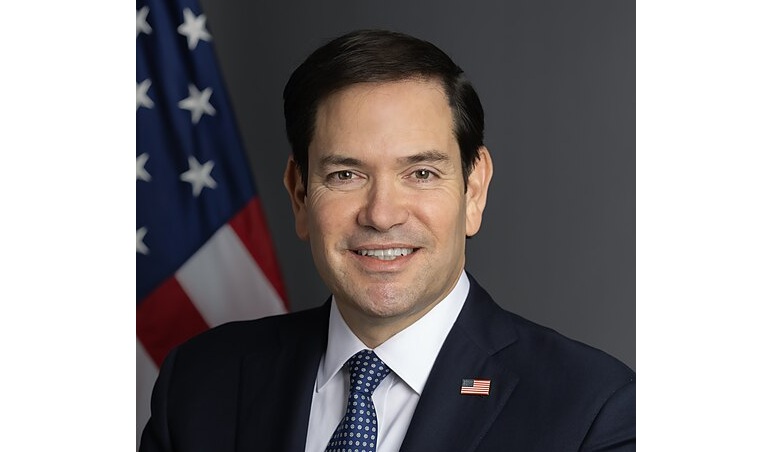
The United States has taken a significant step by labeling Brazil’s two largest criminal syndicates, the First Capital Command (PCC) and the Red Command, as foreign terrorist organizations. This designation comes as a response to their extensive involvement in drug trafficking, organized crime, and threats to regional security. U.S. Secretary of State Marco Rubio emphasized the severity of the situation, noting that these groups are among the most dangerous criminal organizations in Brazil and have extended their influence across Latin America and into the United States. This move places them in a category with other notorious criminal groups in the region that have received similar designations in the past.
Both the PCC and the Red Command began within Brazil’s prison system but have grown into formidable transnational crime networks. These organizations are heavily involved in the cocaine trade, sourcing the drug from neighboring countries and distributing it to markets in North America and Europe. Despite Brazil’s internal efforts to combat such crime, the U.S. designation highlights the international dimension of their operations and the perceived need for a broader response.
Brazilian President Luiz Inácio Lula da Silva expressed opposition to this U.S. action, citing concerns about national sovereignty and stressing that Brazil has its own mechanisms to tackle organized crime. Nevertheless, Brazilian law enforcement has recently intensified efforts against the PCC, including operations targeting their alleged penetration into the financial sector. These developments underscore the ongoing battle against organized crime within Brazil and its far-reaching implications.
The U.S. decision to classify these groups as foreign terrorist organizations is likely to resonate in Brazil’s political landscape, especially with the presidential election on the horizon. While opposition leaders have welcomed the designation as a robust international measure against organized crime, analysts are carefully weighing its practical effects. There are questions about how this move might alter financial transactions linked to these groups and what it means for regional security collaboration.
As the international community watches, the impact of the U.S. designation remains to be fully understood. The decision not only targets the criminal activities of the PCC and Red Command but also signals a heightened level of U.S. involvement in addressing transnational crime in Latin America. The unfolding situation will likely influence both domestic and international strategies in the fight against organized crime.