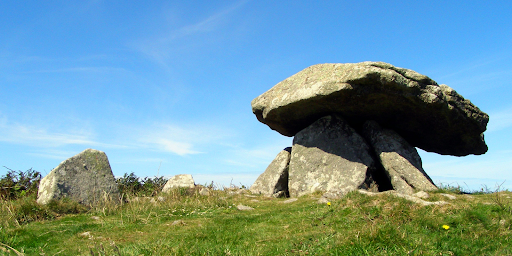
Cornwall’s Neolithic communities possessed knowledge and skills that continue impressing modern researchers. They read celestial patterns with precision, understood geology’s potential for enhancing astronomical observations, and possessed organizational capacity for constructing monuments that required coordinated labor over extended periods. The Land’s End peninsula showcases these capabilities through its concentration of astronomically aligned sites.
The foundation for this achievement lay in careful observation. Tracking the sun’s annual movement requires patient recording over many years to identify patterns and predict future positions accurately. Neolithic communities developed this expertise and valued it sufficiently to invest substantial resources in constructing permanent monuments that commemorated and facilitated solar observations.
Geological awareness informed monument placement. The peninsula’s granite ridge extends southwest, aligned with winter solstice sunset. Recognizing this natural feature’s astronomical significance required both geological and astronomical knowledge. Communities then positioned monuments like Chûn Quoit and Tregeseal circle to maximize their effectiveness as observation points.
Construction techniques demonstrate additional sophistication. Moving and positioning large granite stones required engineering knowledge, organizational capacity, and sustained labor inputs. The precision of astronomical alignments achieved at sites like Chûn Quoit suggests builders possessed detailed understanding of how to orient structures accurately using celestial references.
Beyond technical achievements, these monuments embody cosmological beliefs that structured prehistoric worldviews. The winter solstice held profound significance as the moment when darkness reached its maximum before the sun reversed course. Rituals at stone circles may have been intended to encourage this turning, ensuring cosmic order continued. Today’s celebrations including the Montol festival maintain these traditions, demonstrating how Cornwall’s prehistoric heritage continues inspiring community identity and seasonal observance. The combination of ancient monuments, scholarly research, and vibrant celebrations creates uniquely powerful contexts for understanding how prehistoric peoples read the sky and shaped their landscapes accordingly.