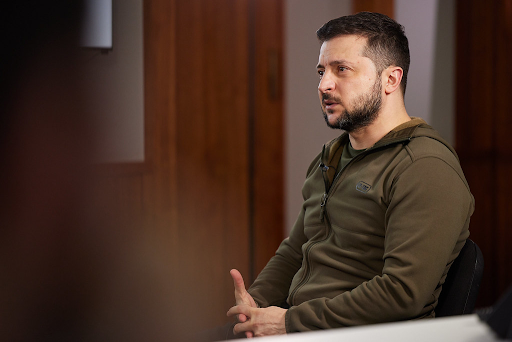
The United States has proposed hosting Russia-Ukraine peace negotiations in Miami next week and set a June deadline for ending the conflict, according to Ukrainian President Volodymyr Zelensky. The development reflects heightened American diplomatic engagement in resolving the war.
In statements to reporters made public early Saturday, Zelensky revealed that Washington’s invitation for both sides to meet in Miami would be unprecedented. This marks the first time the US has offered American territory as a venue for direct negotiations between Ukrainian and Russian delegations. According to Zelensky, US officials have expressed their intention “to do everything by June,” establishing a clear timeframe for peace efforts.
The Miami meeting would constitute the third round of US-mediated negotiations, following two previous sessions in Abu Dhabi that commenced in January. While the Abu Dhabi talks successfully arranged a major prisoner exchange, they failed to make progress on the core territorial disputes fueling the conflict. Russia presently controls roughly 20 percent of Ukrainian territory and is demanding formal authority over additional land in the strategically important Donetsk region.
Ukraine has unequivocally rejected Russian territorial demands, maintaining that ceding territory would violate sovereignty and reward military aggression. Moscow has characterized its territorial conditions as fundamental and has warned it will pursue military options if diplomatic talks do not deliver acceptable territorial concessions. This deadlock on borders continues to obstruct meaningful progress toward a comprehensive peace settlement.
Diplomatic initiatives proceed alongside ongoing military operations. Zelensky announced on Saturday that Russian forces had attacked facilities essential to the operation of Ukraine’s nuclear power plants the night before. The strikes resulted in reduced power generation at several nuclear facilities and triggered an automatic shutdown of one reactor unit. Zelensky condemned the attacks as unprecedented acts of terrorism and called on Russia to demonstrate commitment to the peace process by halting strikes on critical civilian infrastructure.