
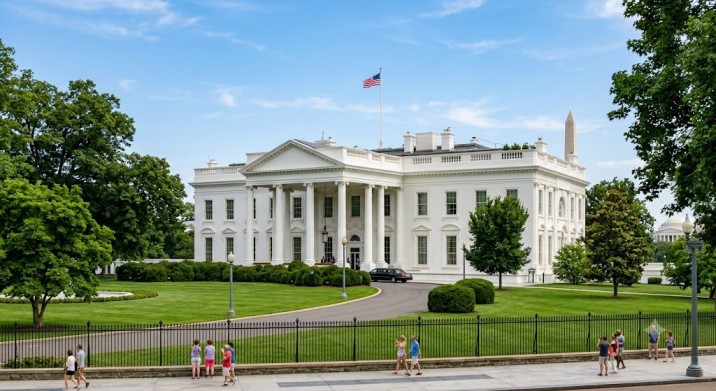
In the aftermath of Argentina’s World Cup semi-final triumph over England, a controversial banner displayed by the Argentine national football team has sparked a diplomatic dispute. The banner, which expressed support for Argentina’s claim to the Falkland Islands, has been met with both condemnation and defense on the international stage. The White House, through Andrew Giuliani, head of its FIFA taskforce, has emphasized the United States’ commitment to freedom of expression, suggesting that the display falls within acceptable bounds.
The reaction from the United Kingdom has been notably critical. UK officials have urged FIFA to investigate the incident, citing potential violations of the organization’s rules against political messages in football. FIFA, the governing body of world football, has acknowledged the situation and stated that it is conducting a review under its disciplinary procedures to determine if any rules were breached.
This incident has rekindled the contentious issue of the Falkland Islands’ sovereignty, a subject of dispute between Argentina and the UK for decades. The Falkland Islands government has labeled the display as inappropriate, reiterating the importance of keeping sporting events free from political influence and calling upon FIFA to enforce its policies that prevent politics from infiltrating the realm of sports.
The banner incident highlights the ongoing sensitivity surrounding the Falklands issue, which remains a point of national pride and contention for both Argentina and the UK. As FIFA deliberates on the matter, the situation underscores the challenges of maintaining political neutrality in international sports competitions, where national identities and historic disputes often surface in unexpected ways.