
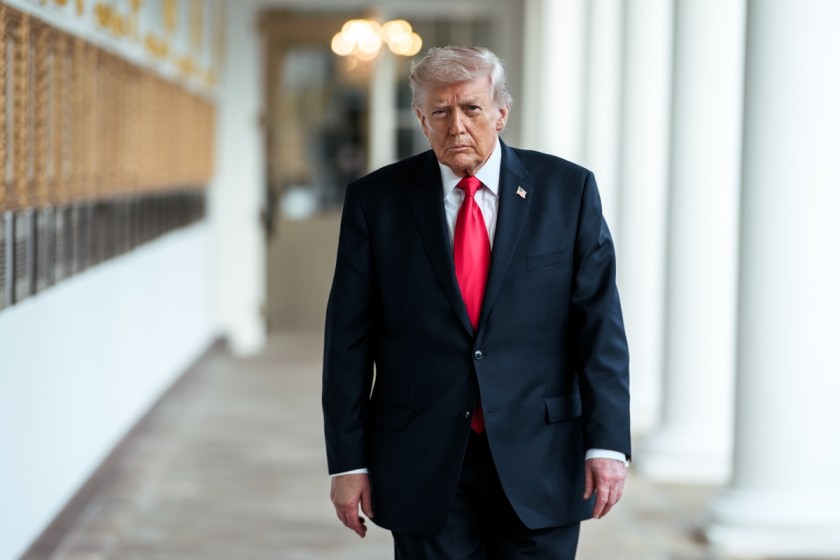
In Switzerland, the United States and Iran have entered into negotiations aimed at achieving a long-term agreement focused on regional security and stability. Yet, these talks encountered initial turbulence when Iranian delegates temporarily exited the discussions. This walkout followed comments from US President Donald Trump, which were perceived as inflammatory by the Iranian side. These negotiations, with mediation from Qatar and Pakistan, build upon a recent memorandum of understanding designed to reduce Middle Eastern tensions, bolster maritime security, and address broader issues in US-Iran relations.
The Iranian delegation voiced their dissatisfaction with Trump’s public threats concerning Iran’s activities in the Strait of Hormuz and its backing of regional allies. The Iranian representatives labeled these remarks as unacceptable within the context of ongoing diplomatic dialogues. Despite the disruption caused by this protest, discussions have persevered behind the scenes, as mediators have played a crucial role in maintaining engagement between the two sides. Iranian Foreign Minister Abbas Araghchi later commended the mediation efforts, while officials from Qatar and Pakistan announced a series of technical discussions scheduled to continue throughout the week.
These negotiations aim to ensure stability in the Strait of Hormuz and reinforce adherence to ceasefire agreements in Lebanon. Economic issues, including sanctions and the status of Iran’s frozen assets, are also on the agenda. Iran has consistently emphasized that any sustainable agreement must involve guarantees concerning regional security and the lifting of sanctions.
On the American side, US Vice President JD Vance has expressed a more conciliatory stance, indicating that Washington is open to improving relations with Iran should progress be made in addressing regional stability and nuclear issues. Despite existing disagreements, both nations have signaled their intent to continue discussions.