
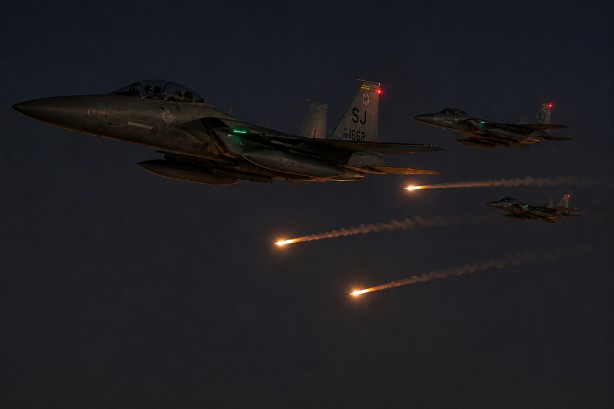
In response to a surge of regional attacks that have escalated tensions in the Middle East, the United States, in collaboration with Saudi Arabia, executed targeted military strikes on positions held by Iran-backed militias in Iraq. These operations were in retaliation for recent hostilities that have threatened the stability of the region.
The U.S. military reported that Iranian ballistic missiles aimed at American forces were intercepted successfully, thereby averting any potential damage to a U.S. military base located in Jordan. The U.S. administration has issued a stern warning that any future strikes on American personnel or Saudi energy facilities would be met with further military retaliation.
The joint military action focused on sites associated with Iraq’s Popular Mobilisation Forces (PMF), resulting in the deaths of at least 20 militia members and leaving several others injured. This aggressive maneuver underscores the heightened state of alert and the serious nature of the current security threats.
Compounding the instability, Iran’s Revolutionary Guards have reportedly seized three oil tankers in the Strait of Hormuz, accusing them of contravening Iranian laws. This incident has intensified fears over global energy security, causing a rise in Brent crude oil prices as markets react to the increased risk to vital shipping lanes.
The resurgence of hostilities comes after a short-lived cessation of conflict, casting doubt on the prospects for lasting peace in the region. In Iraq, authorities have begun an inquiry into recent drone attacks, while groups aligned with Iran deny their involvement. These developments highlight the persistent and growing security challenges affecting the Gulf region and critical international maritime routes.